Dental Tips 10 min read
Your Dental Benefits Reset January 1. Here's What You Lose.
Unused annual maximum does not roll over, and a crown started in December may not finish in time. What resets, what does not, and why October is the real deadline rather than December.
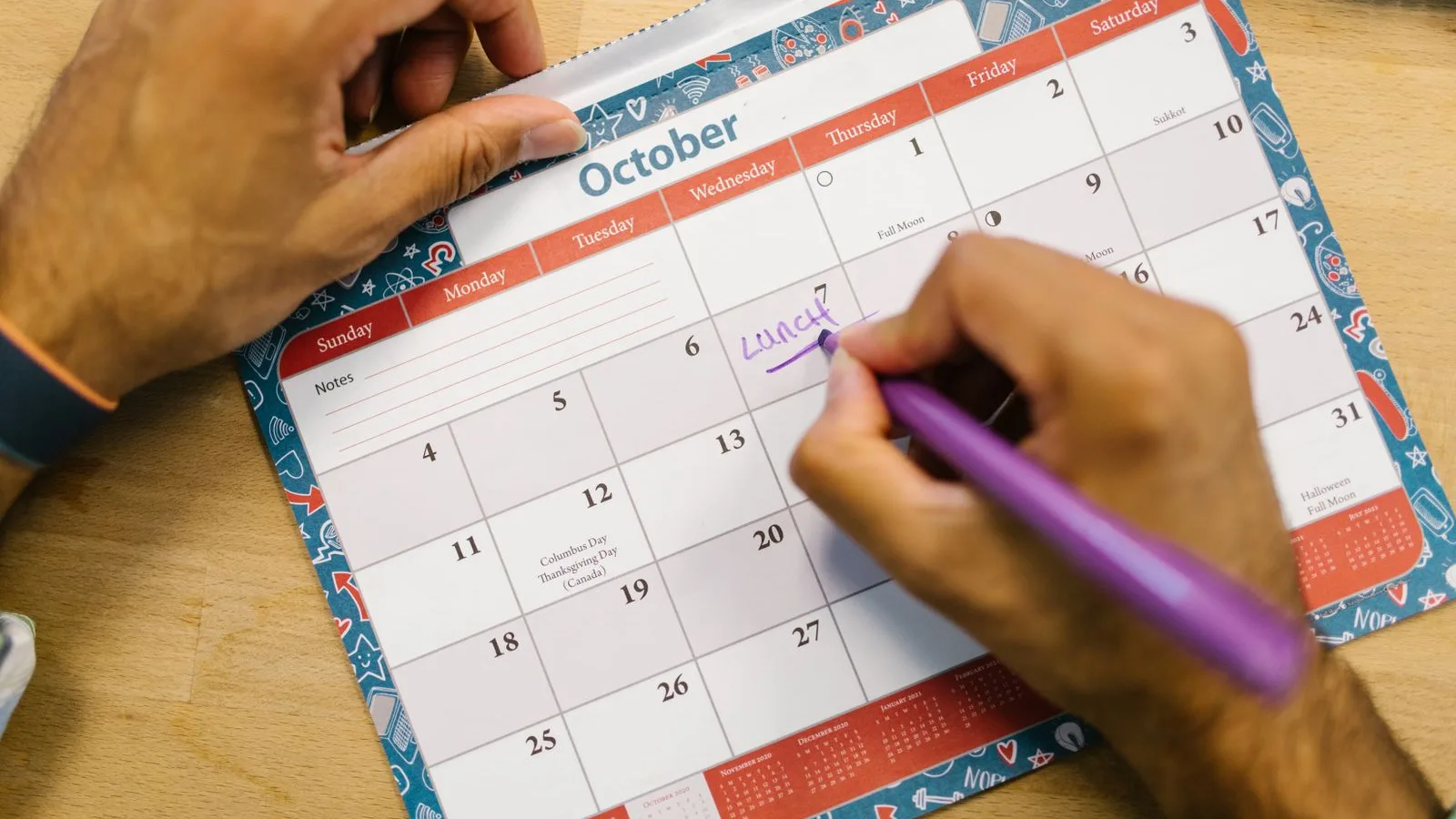
What actually resets on January 1
Every December we have the same conversation several times a week. Someone comes in for a cleaning, we find a cracked filling that needs a crown, and they ask whether it can be done before the end of the year. Sometimes it can. Often, by the second week of December, it cannot, and a few hundred dollars of their own benefit quietly expires because nobody told them in October.
So, in October: here is what resets, what does not, and what is worth doing about it. None of this is an argument for having treatment you do not need. It is an argument for not paying twice for treatment you do.
The four things with a clock on them
- Your annual maximum. The cap on what the plan will pay in a year. Unused portion does not carry forward.
- Your deductible. Resets to zero, meaning you pay it again from scratch in January.
- Your frequency allowances. Two cleanings a year, a set of X-rays at a given interval. Unused visits do not bank.
- Your FSA balance. The hardest deadline of the four, and the one most often forgotten.
One caveat before anything else. Most dental plans run on the calendar year, but not all of them do. Some follow an employer's fiscal year and some run from your own enrolment date. If yours is one of those, your reset is not December 31st and none of the December urgency applies to you. Check before you act on any of this. We can confirm it for you when we verify your coverage, which we do at no charge.
The annual maximum, and who leaves it unused
Your annual maximum is the ceiling on what the insurer will pay out in a plan year. On most PPO plans it lands somewhere between about $1,000 and $2,000. Once you hit it, the plan stops contributing until the year turns over.
What surprises people is how rarely it gets used. The large majority of plan members never come close to their maximum in a given year, which is precisely how the economics of dental insurance work. If you have had two cleanings and nothing else, you have very likely used a small fraction of what you paid premiums for, and the remainder evaporates at midnight on December 31st.
That is not a reason to find something to spend it on. It is a reason to make sure that anything already diagnosed and genuinely needed gets scheduled while the plan is still paying its share. If we have told you a filling is failing, or that a tooth needs a crown before it splits, the treatment is going to happen eventually. Having it happen while this year's maximum is still available is simply cheaper than having it happen in February.
The deductible you have already paid
The deductible is the amount you pay out of pocket before the plan starts contributing, commonly in the region of $50 to $100 for an individual and often waived for preventive visits.
It resets with the plan year, and the timing effect is easy to miss. If you have already met this year's deductible, the next piece of treatment you have is cheaper to you than exactly the same treatment in January, because in January you will be paying the deductible again before the plan pays anything. For a family with several people on the plan, each of whom may have their own deductible, this is not a trivial amount.
FSA dollars have a harder deadline
If you have a Flexible Spending Account through work, that is the money with the sharpest edge on it. FSA contributions are use-it-or-lose-it: at the end of the plan year, whatever is left generally reverts to your employer.
There are two possible softeners, and your employer can offer one of them but not both. Some plans allow a grace period of a couple of months into the new year. Others allow a limited amount to carry over. Plenty of plans offer neither. The amounts and rules change from year to year, so check your own plan documents rather than assuming.
Dental treatment is an eligible FSA expense, which makes an unspent FSA balance and an unaddressed dental problem a natural pairing in the last quarter of the year.
A Health Savings Account works the opposite way and is worth keeping straight in your head. HSA money rolls over indefinitely, stays yours if you change employers, and has no year-end deadline at all. If your balance is in an HSA, there is no timing pressure.
Why October is the real deadline, not December
This is the part that catches people, and it is the reason this article is dated in October rather than the first week of December.
Dental treatment is not instantaneous. The things people most often want to fit in before a reset are precisely the things that take weeks.
Realistic timelines
- A crown or a bridge: two visits with a laboratory stage in between, typically two to three weeks apart. Four to six weeks end to end once scheduling is included.
- Root canal followed by a crown: two separate courses of treatment. Six to eight weeks is normal.
- An implant: months, not weeks. Placement and restoration usually fall in different plan years, which is worth planning around deliberately.
- Pre-authorisation: some plans require it for major work and take two to four weeks to respond.
- Fillings and cleanings: single visits, genuinely fine to book in December if an appointment exists.
Add to that the fact that December is the most heavily booked month of the year in every dental practice in Sacramento, for exactly this reason, and the availability you need may simply not be there. A treatment plan started in October has slack in it. The same plan started on December 5th has none, and anything that goes slightly wrong pushes the second visit into January, where the plan contributes from a fresh maximum but you also pay a fresh deductible.
There is one case where splitting across the year is the better move rather than the worse one: a large treatment plan that exceeds a single year's maximum. If the total is more than the plan will pay in one year, sequencing part of it in December and part in January deliberately uses two annual maximums instead of one. That is worth planning on purpose, and it is one of the things we look at when we put an estimate together.
How to find out what you have left
You do not need to decode your plan documents yourself.
Call us on (916) 451-4856 and we will verify your coverage with the insurer and tell you, in plain numbers, what your remaining maximum is, whether your deductible has been met, how many cleanings you have used, and what any outstanding treatment would actually cost you after the plan pays. That verification is free and carries no obligation. Our insurance page lists the PPO plans we work with.
If you would rather check yourself, your insurer's member portal will show the remaining maximum and the deductible status, and your HR or benefits portal will show your FSA balance and whether a grace period or carryover applies.
Whatever treatment comes out of it, you get a written estimate before anything starts. If the cost is still difficult, our financing options cover payment plans, and they work alongside insurance rather than instead of it.
When using it up is the wrong advice
Worth saying plainly, because this time of year produces a lot of marketing that does not say it.
"Use it or lose it" is a true statement about how the benefit works. It is not a reason to have dentistry you do not need. A healthy mouth with no outstanding diagnosis should not be looking for ways to spend a maximum, and any practice encouraging you to is not acting in your interest. The unused benefit is not money you are losing. It is insurance you did not need to claim on, which is the good outcome.
The genuine cases for acting before the reset are narrow and specific:
- Treatment already diagnosed and already needed, which is going to happen regardless and is simply cheaper now.
- A problem being actively monitored that has crossed the line from watch to treat.
- A cleaning you are entitled to and have not had, particularly the second one of the year.
- An unspent FSA balance that is going to disappear anyway.
- A large plan worth splitting deliberately across two maximums.
Everything else can wait for January without costing you anything. If you are simply due a checkup, the interval that suits your own risk is a better guide than the calendar.
If you do not have dental insurance
Roughly a quarter of adults in California have no dental coverage at all, so if this is you, you are in large company and most of the above is irrelevant to your timing.
Two things still apply. If you have an FSA or HSA through an employer even without dental coverage, dental care is an eligible expense for both, and the FSA deadline is real. And if the reason you have been putting off a visit is cost rather than time, our membership plan is built for patients without insurance: a fixed annual fee that covers preventive visits and reduces the cost of everything else, with no maximums, no deductibles, and no claims to file.
Either way, call (916) 451-4856 and we will give you a written estimate before you commit to anything.
Key takeaways
- Annual maximums, deductibles and cleaning allowances all reset at the plan year and do not carry forward.
- Check whether your plan year is actually the calendar year. A meaningful minority are not.
- Most members never use their maximum, so unused benefit is the norm rather than the exception.
- FSA money is the hardest deadline. HSA money has no deadline at all.
- A crown takes four to six weeks end to end, so October is the practical cut-off, not December.
- A treatment plan larger than one year's maximum is worth splitting across the reset on purpose.
- Unused benefit is not money lost. Do not have treatment you do not need in order to spend it.
Related services at Cusp Dental
Ready to move from reading to booking?
Keep reading
More from the Cusp Dental blog
FAQ
Frequently asked questions
Does unused dental insurance roll over to the next year?
Almost never. The annual maximum is a use-it-or-lose-it allowance that resets at the start of each plan year, and whatever you did not use is simply gone. A small number of plans offer a carryover feature that rolls a few hundred dollars forward if you attended your preventive visits, but it is the exception rather than the rule and it is usually capped well below the full amount. Assume no rollover unless your plan documents say otherwise in writing.
How do I know whether my plan year is the calendar year?
Most dental plans run January to December, but a meaningful minority run on the employer's fiscal year or on your own enrolment anniversary instead. If yours does, your reset date is not December 31st and the urgency in this article does not apply to you in the same way. Your benefits summary will state the plan year. If you are not sure, we can find out when we verify your coverage, and that verification costs you nothing.
Can I still get a crown finished before December 31 if I start now?
If you start in October, comfortably. A conventional crown is a two-visit treatment with a lab stage in between, usually two to three weeks apart, so the process spans the best part of a month. Start in October and there is room for the lab to take longer than expected, for a pre-authorisation to come back slowly, or for you to need a second appointment time. Start in the first week of December and you are relying on everything going right at the busiest point of the year.
Do routine cleanings count against my annual maximum?
It depends on the plan, and this is worth knowing because it changes the arithmetic. Many PPO plans cover preventive visits at 100% and do not apply them to the annual maximum at all, which means your cleanings are not quietly eating the allowance you want for a crown. Others do count them. Separately, most plans limit you to two cleanings per plan year, and that limit resets too, so a second cleaning you are entitled to and have not used is also something you lose.
What is the difference between my FSA and my HSA at year end?
This matters a great deal. FSA money is use-it-or-lose-it and generally disappears at the end of the plan year, though your employer may offer either a short grace period into the following year or a limited carryover, not both. HSA money is yours permanently: it rolls over indefinitely, it stays with you if you change jobs, and there is no year-end deadline on it whatsoever. If you have an FSA with a balance in it, that is the money with the real clock on it.
I do not have dental insurance. Is there any year-end reason to act?
Not an insurance one, but possibly a tax one if you have an FSA or HSA through work, since dental care is an eligible expense for both. Beyond that the timing is neutral, and we would rather you came in when something needs attention than because of a date. Our membership plan is an alternative to insurance for patients without coverage, and it includes preventive visits at a fixed annual cost.